Water Damage Mitigation in Phoenix, AZ
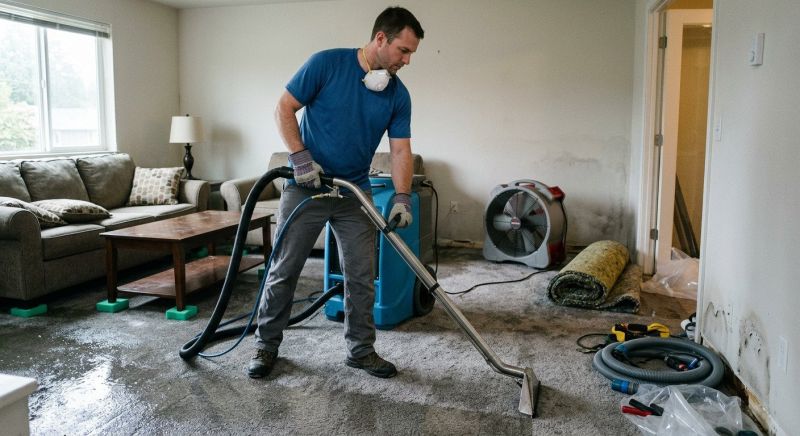
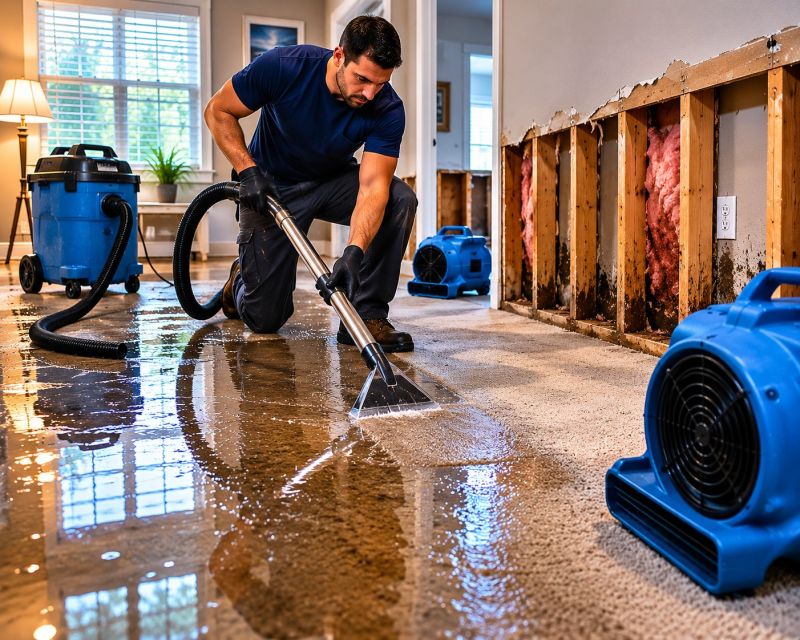
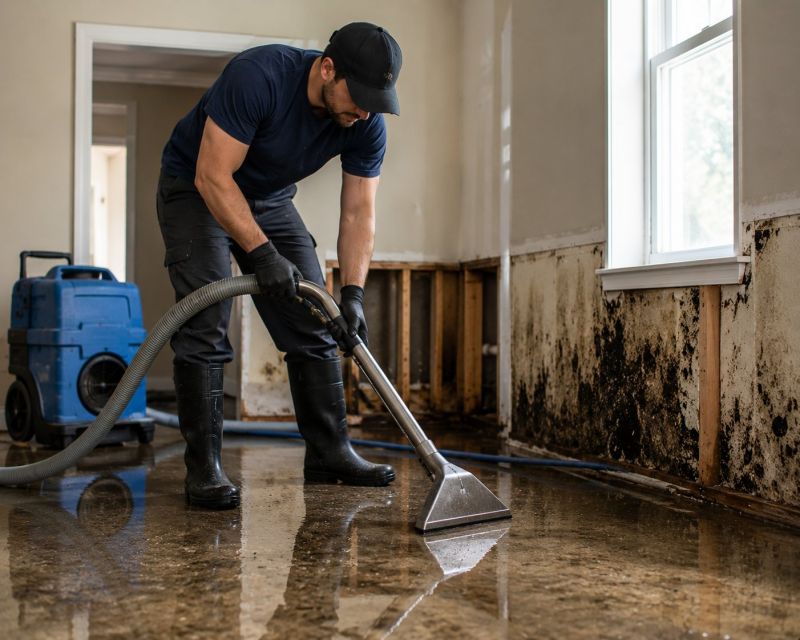
Water damage mitigation services focus on addressing the aftermath of water intrusion in residential properties, helping to prevent further damage and reduce the risk of mold growth. These services typically cover projects such as water extraction from flooded areas, drying out affected materials like drywall and flooring, and implementing moisture control measures. Property owners often seek this assistance after incidents like burst pipes, appliance leaks, or heavy storms, aiming to restore their homes efficiently and minimize long-term issues.
Before requesting water damage mitigation, homeowners usually want to understand the scope of work involved, including the extent of water removal and drying procedures. It’s also common to inquire about the potential need for repairs or replacements of damaged building materials and the importance of thorough moisture detection. Clear communication about the process can help property owners make informed decisions and ensure their homes are properly restored to a safe, dry condition.
Many property owners in Phoenix, AZ look into Water Damage Mitigation for repairs, replacements, upgrades, and appearance-related improvements.
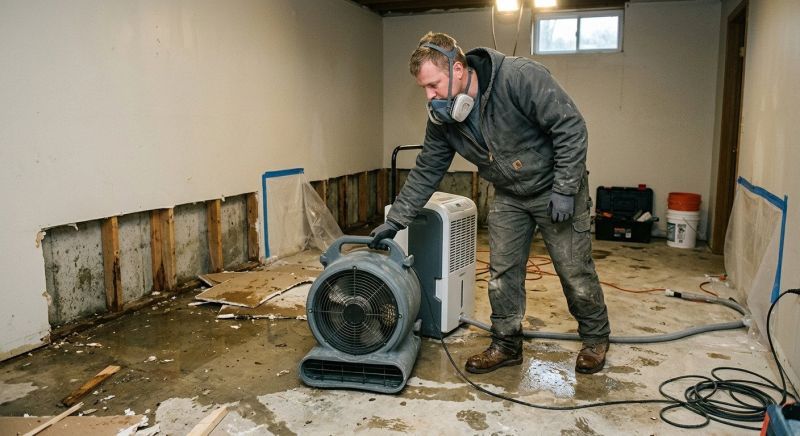
Water Damage Assessment
Identifying the extent of water intrusion to determine the necessary mitigation steps.
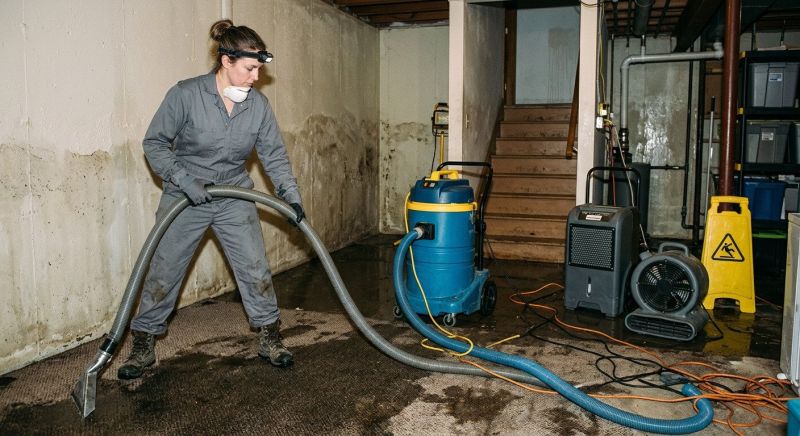
Structural Drying Solutions
Using specialized equipment to thoroughly dry affected areas and prevent mold growth.
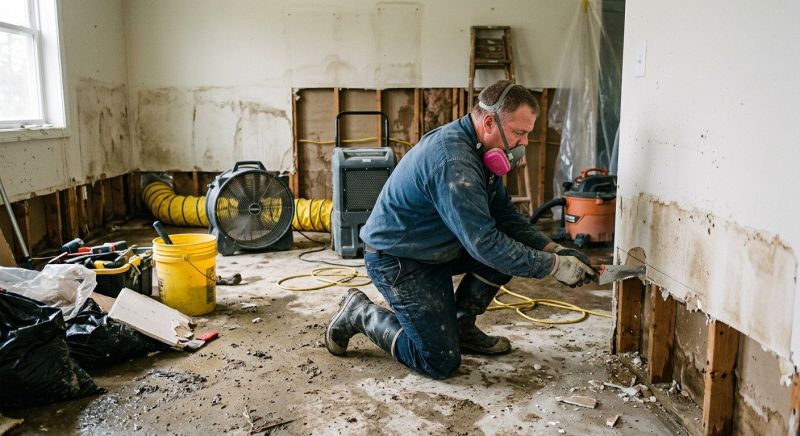
Moisture Removal & Prevention
Implementing techniques to eliminate residual moisture and protect against future water issues in phoenix homes.
Water Damage Mitigation in Phoenix, AZ

Water damage mitigation services focus on addressing the aftermath of water intrusion in residential properties, helping to prevent further damage and reduce the risk of mold growth. These services typically cover projects such as water extraction from flooded areas, drying out affected materials like drywall and flooring, and implementing moisture control measures. Property owners often seek this assistance after incidents like burst pipes, appliance leaks, or heavy storms, aiming to restore their homes efficiently and minimize long-term issues.
Before requesting water damage mitigation, homeowners usually want to understand the scope of work involved, including the extent of water removal and drying procedures. It’s also common to inquire about the potential need for repairs or replacements of damaged building materials and the importance of thorough moisture detection. Clear communication about the process can help property owners make informed decisions and ensure their homes are properly restored to a safe, dry condition.
Many property owners in Phoenix, AZ look into Water Damage Mitigation for repairs, replacements, upgrades, and appearance-related improvements.
Common Water Damage Mitigation Jobs
Water intrusion repair - addressing leaks and seepage to prevent further damage.
Flood damage cleanup - removing standing water and drying affected areas.
Mold prevention - controlling moisture levels to inhibit mold growth.
Structural drying - using specialized equipment to dry walls, floors, and ceilings.
Content restoration - salvaging and restoring belongings affected by water.
Leak detection services - identifying hidden leaks to stop ongoing water issues.
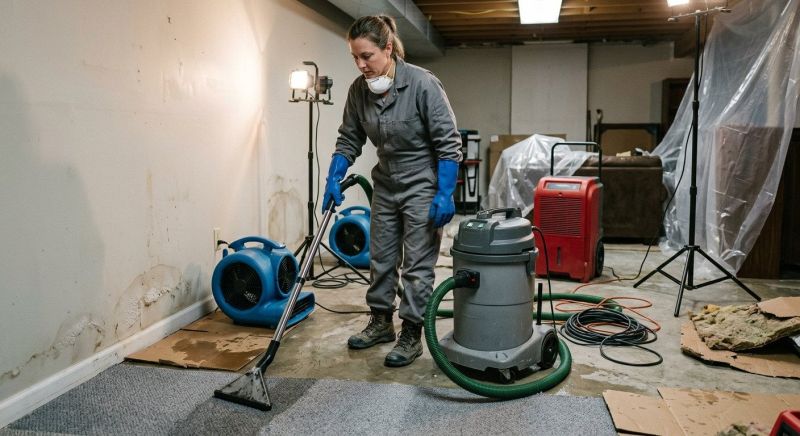
Water Damage Mitigation Questions
What is water damage mitigation? It involves removing excess water, drying affected areas, and preventing mold growth to protect property after flooding or leaks.
When should water damage mitigation be performed? It should be done promptly after water intrusion to minimize structural damage and reduce health risks.
What types of water damage are addressed? Services cover damage caused by clean water, gray water, and black water from various sources like leaks, storms, or sewage backups.
How does mitigation help prevent future problems? It reduces moisture levels, prevents mold development, and stabilizes the property to avoid long-term issues.
Request Water Damage Mitigation in Phoenix, AZ
Use the quote form on this page to share the basics of your project and request more information for the type of work you need.