Optimal Timing for Smoke Odor Removal
Timing is a critical factor in effectively removing smoke odors from indoor environments. The optimal time for smoke odor removal depends on various conditions, including the severity of the odor, environmental factors, and the presence of ongoing smoke sources. Addressing odors promptly after smoke exposure can prevent the odors from setting into fabrics, walls, and other surfaces, making the removal process more efficient.
Initiating smoke odor removal soon after exposure prevents odors from becoming deeply embedded in surfaces and materials.
Performing odor removal during moderate temperatures and humidity levels enhances the effectiveness of cleaning and deodorizing treatments.
Addressing smoke odors prior to renovations helps ensure a fresh environment and prevents odors from affecting new finishes.
Persistent odors may require multiple treatments; early intervention can reduce the need for extensive procedures.
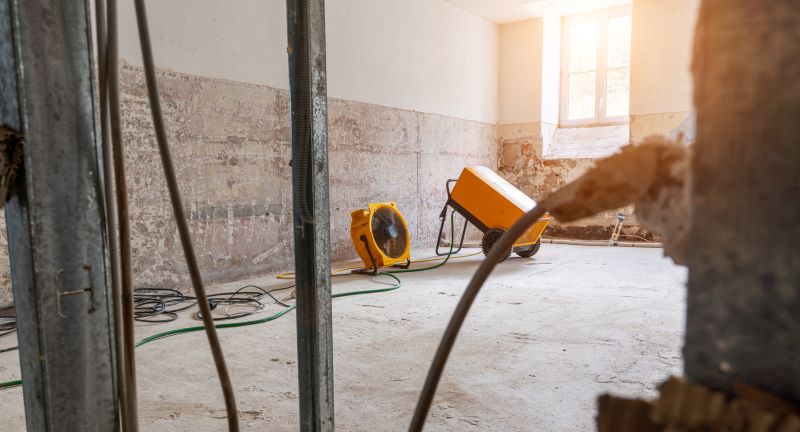
Advanced tools used for effective odor extraction and neutralization.

Deep cleaning of walls, ceilings, and furnishings to eliminate embedded odors.
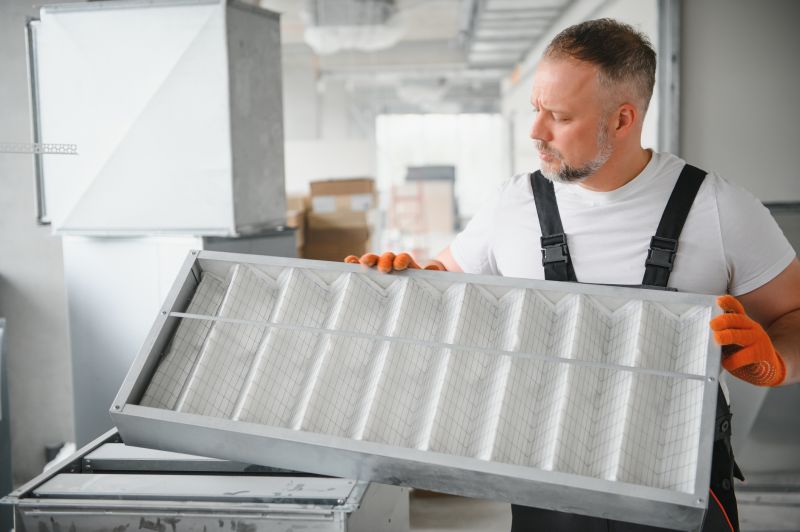
Use of air scrubbers and filtration systems to improve indoor air quality.
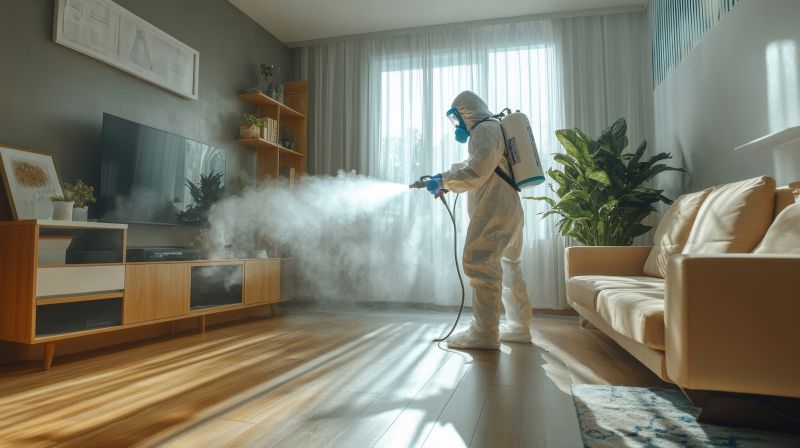
Specialized solutions designed to chemically neutralize smoke odors.
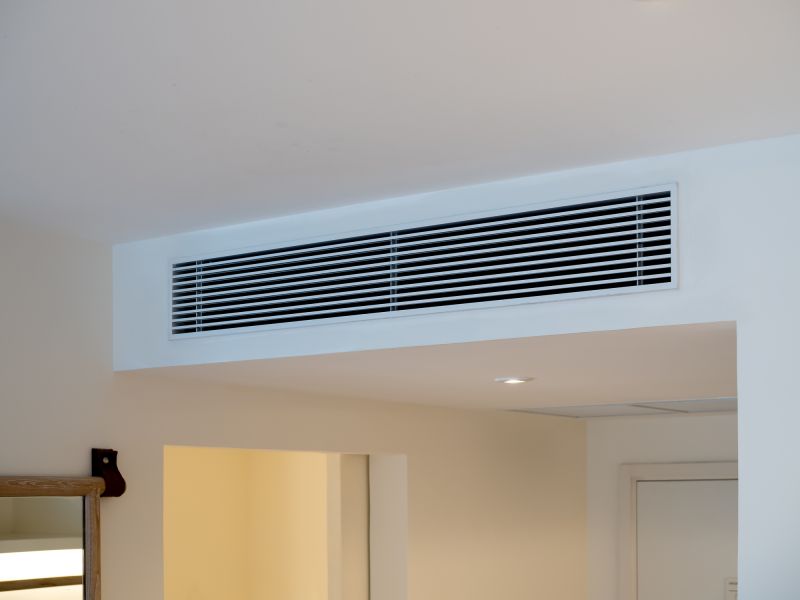
Enhanced airflow strategies to remove lingering odors from indoor spaces.
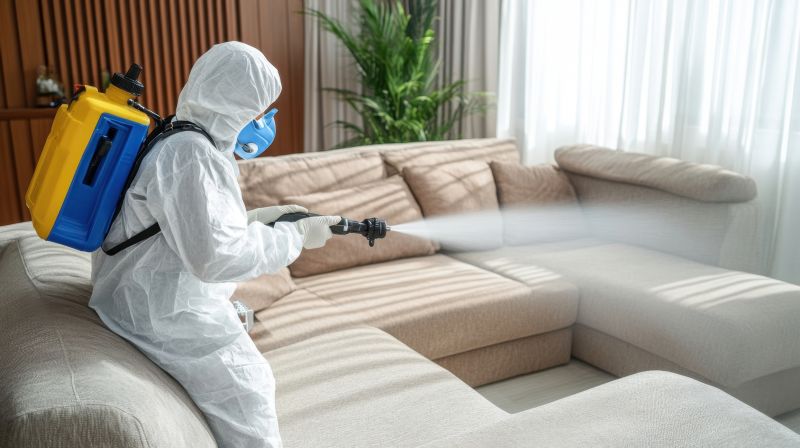
Applying deodorizing treatments to upholstered and wooden furniture.
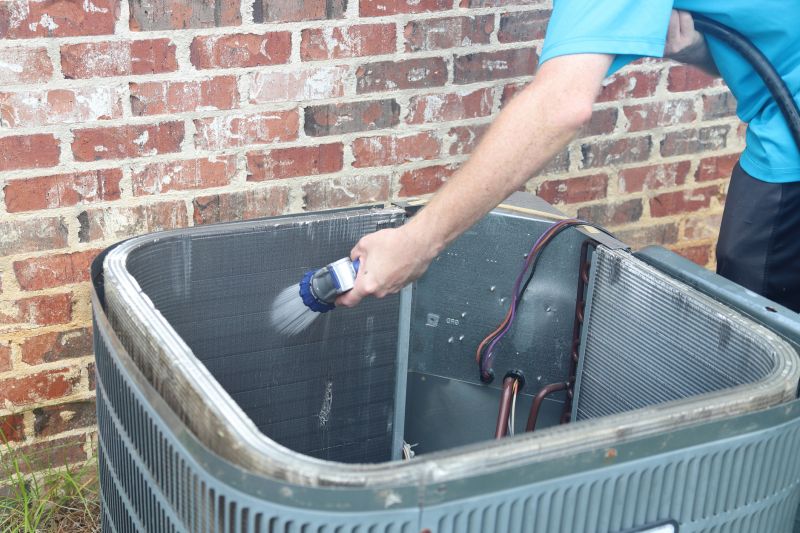
Cleaning and deodorizing ductwork to prevent odor recirculation.
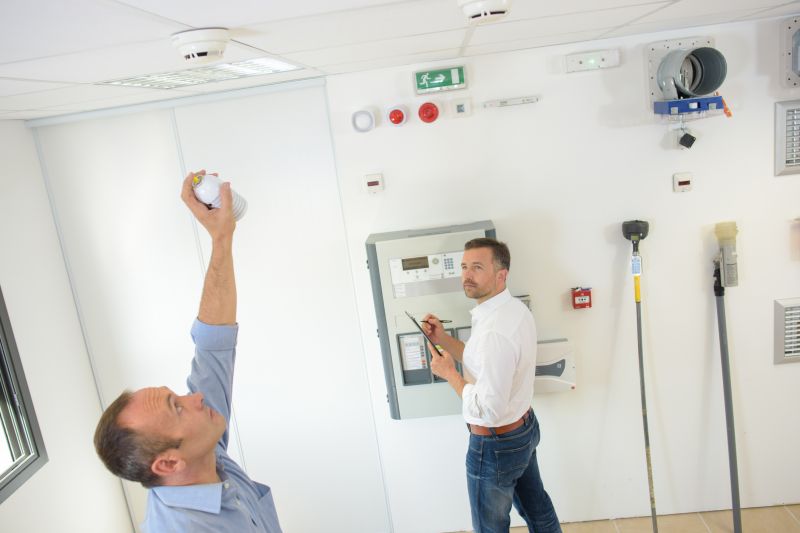
Using specialized tools to assess odor levels before and after treatment.
| Factor | Impact on Timing |
|---|---|
| Severity of Odor | Higher severity may require immediate and repeated treatments. |
| Environmental Conditions | Optimal during mild temperatures and low humidity. |
| Type of Surfaces Affected | Porous surfaces need quicker attention to prevent odor absorption. |
| Presence of Ongoing Smoke | Continuous smoke exposure necessitates prompt removal. |
| Property Use | Occupied spaces benefit from timely treatment to restore air quality. |
| Season | Spring and fall often provide better conditions for odor removal. |
| Remediation Goals | Complete odor neutralization may influence timing decisions. |
Smoke odor removal involves a combination of cleaning, deodorizing, and air purification techniques. The process is most effective when initiated promptly after exposure, as odors can penetrate deep into surfaces like drywall, carpets, and furnishings. Advanced equipment, such as ozone generators and thermal foggers, can accelerate odor neutralization, especially when combined with thorough cleaning methods.
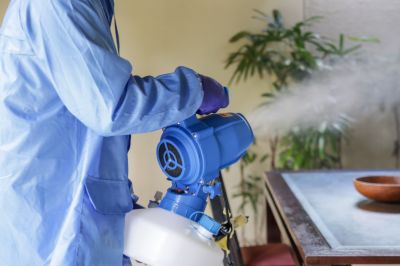
Professional devices used to eliminate stubborn smoke odors.
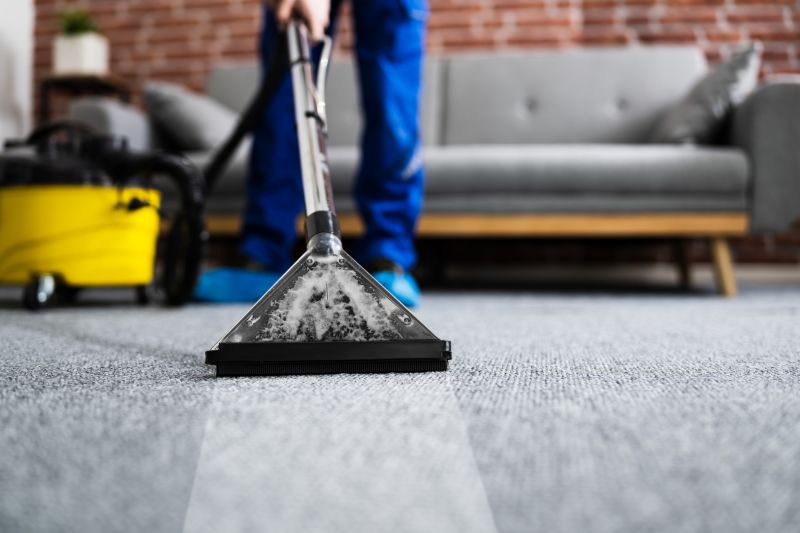
Comprehensive cleaning techniques to remove odor sources.
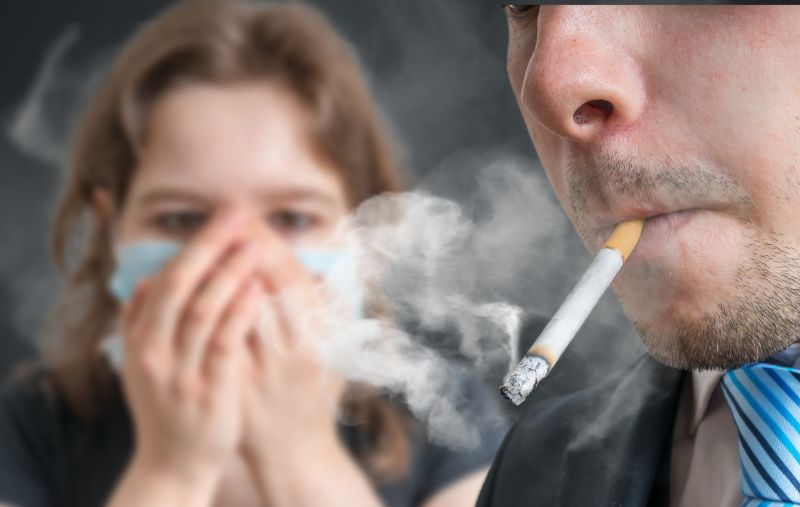
High-efficiency air scrubbers used during odor removal procedures.
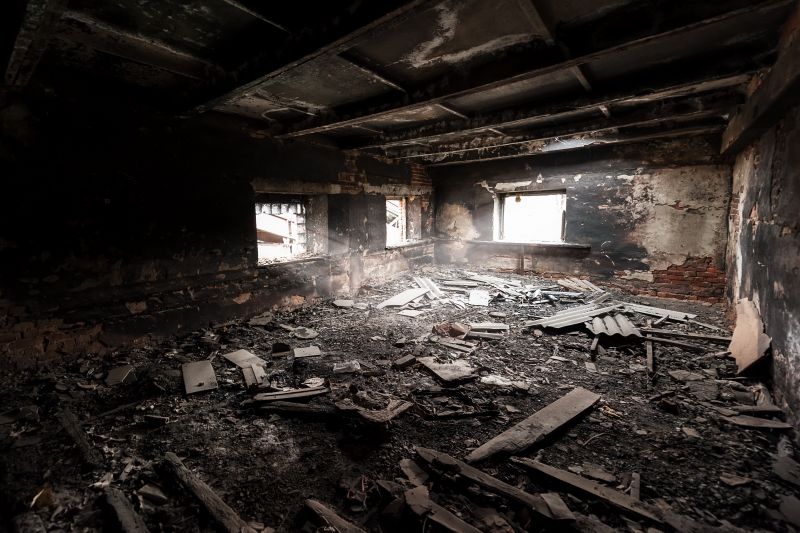
Clean, deodorized spaces ready for occupancy.
Effective smoke odor removal requires a strategic approach tailored to the specific conditions of each property. Addressing odors promptly, especially in environments with high smoke exposure, can significantly reduce the need for extensive treatments. Proper ventilation and the use of specialized deodorizing agents are essential components of a successful removal process.
Starting treatment soon after smoke exposure improves results and reduces costs.
Optimal during spring and fall for better ventilation and treatment efficacy.
May require multiple treatments, emphasizing the importance of early intervention.
Mild weather enhances the effectiveness of deodorization techniques.
If interested in smoke odor removal services, filling out the contact form can provide more information and facilitate scheduling. Prompt action can help restore indoor air quality and eliminate stubborn odors effectively.